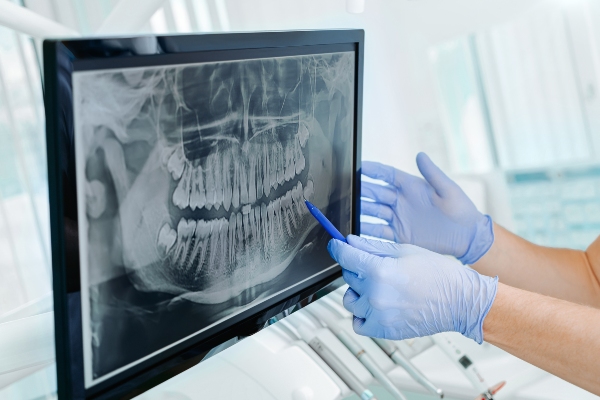
 A dentist is tasked with maintaining healthy teeth, gums, and mouths for their patients. Periodontal issues are serious gum infections that damage gums and can also destroy the jawbone. Periodontitis is common but can be preventable.
Periodontal issues
A periodontal papule usually results from periodontitis or gum disease, common among adults. This infection can start in the bone and tissues that support the tooth. In most cases, it is usually caused by poor oral hygiene. The bacteria in the mouth infect tissue surrounding the tooth, causing inflammation around the tooth leading to this disease. The more prolonged bacteria stay on the tooth, the more damage it causes the tooth.
Symptoms and early warning signs of periodontal issues
For periodontal issues, a dentist can diagnose symptoms that are precursors to the condition. The following are early symptoms of periodontal disease that require a dentist's attention:
- Red gums – When people do not practice proper dental hygiene, bacteria in the mouth form plaque on teeth; the bacteria may cause gums to become inflamed, resulting in red, swollen, or bleeding gums. These bacteria cause pain in the tooth.
- Bleeding gums – Bleeding gums are a sign of inflammation of human gums. It is a common form of gum disease, caused by a buildup of plaque at the gum line.
- Painful chewing – Tooth sensitivity can happen when tooth enamel has been worn down and the dentin or even the nerves of teeth are exposed. When the surfaces are exposed, eating, or drinking something with an extremely low or high temperature may cause a sudden, sharp flash of pain in the tooth.
- Loose teeth – Loose teeth usually occur due to poor dental health or an injury. It cannot happen without a good reason, so it is important to look at one’s dental history to see what the causes could be.
Treatment for periodontal issues
A dentist can help control and treat this kind of oral disease with a professional cleaning regularly. Also, by enlightening patients on maintaining good oral hygiene, future periodontal issues can be prevented. Furthermore, periodontal disease can be treated successfully with extensive treatment. Such treatment might include the deep cleaning of the tooth-root surfaces below the gums. Also, there may be the need to utilize medications prescribed to be taken orally or placed directly under the gums.
Sometimes corrective surgery can also help in preventing or controlling periodontal diseases. Procedures like scaling, after which root planing can be carried out, are typical examples. Sometimes, some plaques and tartar may have built up beneath the gum and, without the proper care, will continue to worsen. For more effective corrective measures, scaling by freeing the pockets, planing, and flap surgery by suturing flappy gums can be undergone.
Learn more about gum disease prevention
In conclusion, brushing and flossing daily to remove the bacteria helps prevent gum disease. Also, periodontal issues can be treated if noticed early. A dentist will know what this gum condition is and how to go about treating it.
Request an appointment or call Posh Dental at 951-740-0026 for an appointment in our Temecula office.
Related Posts
Dentistry professionals provide many facts on preventing cavities to help shed light on the recommended ways to keep teeth healthy. Avoid having to treat cavities by becoming informed about cavity prevention and using that knowledge to develop good dental care habits.Cavities are small areas of decay in your teeth that become larger over time. This…
Implants are one of the various restorative procedures that a dentist can carry out. They can be inserted as a single unit to replace a tooth. They can also be a component of bridges to replace more than one missing tooth side-by-side. In addition, implant dentures help replace the entire dentition on either one or…
Sore jaws, headaches, and loved ones’ interrupted sleep are symptoms of bruxism (also known as teeth grinding), but a dentist can help with this. Most people grind their teeth occasionally when stressed or anxious, but bruxism can become a problem if it happens often. Regularly grinding your teeth can cause long-term problems. Many people grind…