Your First Appointment with a Sedation Dentist: What to Expect
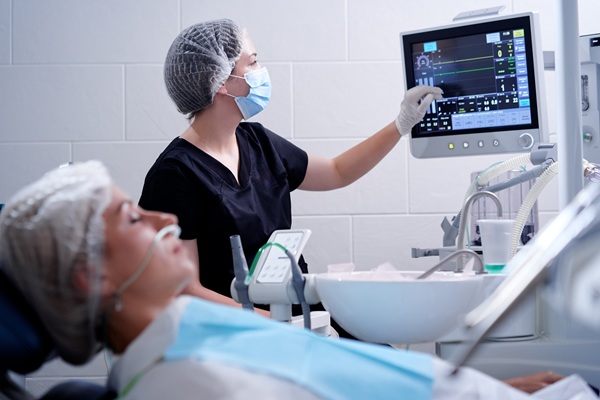
Visiting a sedation dentist is an option for individuals who experience anxiety, fear, or discomfort during dental procedures. Sedation dentistry involves the use of medications to help patients relax and remain comfortable during their treatment. Here is what you may encounter during your first appointment with a sedation dentist.
Initial consultation with a sedation dentist
Before scheduling any treatments, a consultation with a sedation dentist is essential. The first appointment allows the dentist to evaluate the patient's medical history, discuss dental concerns, and determine the most suitable sedation option. The dentist will ask questions about the patient's oral health, any previous dental experiences, and any existing medical conditions that may affect the choice of sedation.
During this consultation, it is essential for patients to openly discuss any anxieties or fears they may have related to dental visits. The sedation dentist will take the time to understand patients' specific concerns and ensure that the treatment plan is tailored to meet their needs as much as possible, given the limitations of the treatment. Depending on the complexity of the procedure and the patient's level of anxiety, the dentist may recommend different types of sedation, ranging from minimal sedation, which allows the patient to remain awake but relaxed, to general anesthesia, which puts the patient into a state of unconsciousness.
Types of sedation
Note that every sedation dentist is different, meaning they may offer one or multiple types of sedation methods. However, they all aim to ensure patients are comfortable throughout their procedures. There are four main categories of sedation dentistry, including minimal sedation, moderate sedation, deep sedation, and general anesthesia.
Minimal sedation
For patients feeling nervous but not terrified, minimal sedation may be appropriate. Sedation dentists often administer this form via nitrous oxide, commonly known as laughing gas. It works quickly and wears off just as fast, allowing patients to relax during their procedure while remaining fully conscious and able to communicate with the dentist. Nitrous oxide is safe and does not leave lasting effects, making it ideal for short dental procedures.
Moderate sedation
For more extensive procedures or patients with a higher level of anxiety, the dentist may prescribe oral sedatives. Patients typically take the medication in pill form before their appointment, which helps induce a deeper level of relaxation. Patients may remain awake but in a deeply relaxed state with little to no memory of the procedure.
Deep sedation
In some cases, a sedation dentist may recommend deep sedation for patients who experience severe anxiety or are undergoing lengthy or complex procedures. Sedation dentists can administer this option through an intravenous (IV) line, and patients are typically unaware of the procedure while under its effects. Though patients may not be fully conscious, they are in a deeply relaxed state and may not remember the treatment afterward.
General anesthesia
For the most intensive procedures or for patients who have extreme fear or physical conditions that prevent them from tolerating dental work, general anesthesia may be necessary. Under general anesthesia, patients are fully asleep throughout the entire procedure and do not experience any discomfort or awareness of the treatment.
What to expect during the appointment
On the day of the appointment, the sedation dentist will guide the patient through the sedation process. If the dentist uses nitrous oxide, they will place a mask over the patient's nose to administer the gas, and the patient will begin to feel relaxed within minutes. For oral sedatives, the patient will take the prescribed medication medication before the appointment to allow for the medication to take effect—usually between 30 minutes and two hours.
Throughout the procedure, the sedation dentist and their team will monitor the patient's vital signs to ensure the sedation level is appropriate and that the patient remains comfortable. Patients may experience drowsiness or relaxation, and some may experience mild memory loss related to the procedure. The dentist will communicate with the patient as necessary and may pause periodically to assess the patient's level of comfort.
Once the procedure is complete, the sedation will begin to wear off. Patients under minimal or moderate sedation may feel well enough to leave the office shortly after the procedure is completed. However, it is strongly recommended that they have a responsible adult accompany them home, as the effects of sedation may linger. If the dentist uses deep sedation or general anesthesia, patients will need additional time to recover in the office before they are alert enough to leave, again with the help of a responsible party to drive them home.
Schedule a consultation
A visit to a sedation dentist can provide relief and comfort for patients who experience anxiety or fear during dental procedures. Whether minimal sedation is necessary for a simple cleaning or more advanced options are required for extensive treatment, sedation dentistry can help patients receive necessary care without the added stress. For more questions or to schedule a consultation, contact Posh Dental today.
Request an appointment here: https://www.getposhdental.com or call Posh Dental at (951) 740-0026 for an appointment in our Temecula office.
Check out what others are saying about our dental services on Yelp: Sedation Dentist in Temecula, CA.
Related Posts
You are not alone if your busy schedule has prevented you from making regular visits to a dental practice. Though dental visits are important for oral health, people often put them off for a number of reasons, such as a lack of time. However, the following are signs that it is time to prioritize getting…
It goes without saying that good oral hygiene is important for your overall health. Our dental practice is here to offer advice to help you avoid common oral health issues. By following expert tips, you can keep your teeth and gums strong and healthy. Here are seven oral hygiene tips from the Posh Dental team…
Many individuals experience oral health issues beyond surface-level discomfort due to underlying conditions and require professional evaluation. A dental practice diagnoses, treats, and prevents these concerns before they progress into more severe complications. Scheduling regular visits with these dental professionals can help you maintain your oral health in the short and long term.Regular dental examinations…
A dental practice can help when a toothache starts. Tooth pain can come on slowly or all at once, often worsening if left untreated. Even if the pain feels small, it may be a sign of a bigger problem. Getting help early can stop the pain and protect the tooth from more damage.A dental practice…