Benefits of Visiting a Certified Invisalign Dentist Instead of a General Provider
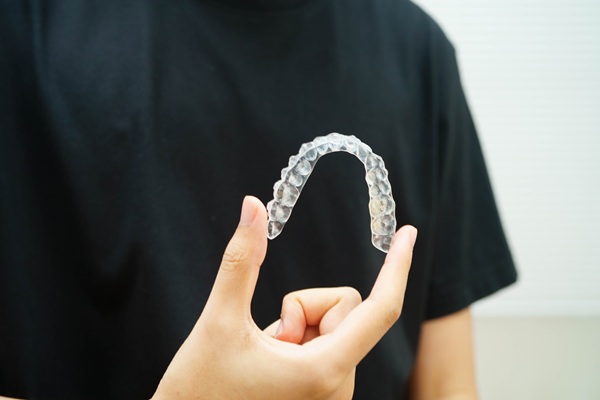
Choosing a certified Invisalign dentist ensures your treatment is safe and effective. While many general dental offices offer clear aligners, the experience of each dental provider varies. Moving teeth requires more than plastic trays; it requires knowledge of underlying jaw mechanics and bone health. An experienced Invisalign dentist can help you achieve a straighter smile with a more predictable and comfortable treatment experience.
Advanced training and experience
A certified Invisalign dentist completes training in clear aligner therapy. This training focuses on digital treatment planning, aligner biomechanics, and case complexity. As a result, certified Invisalign providers develop a deeper understanding of how tooth movement occurs with aligners and how to prevent common complications.
General dental providers may offer Invisalign as one of many services. However, a certified professional typically manages a higher volume of aligner cases. Increased case experience can translate into a broader base of clinical judgment, better anticipation of tooth movement patterns, and improved management of mild to moderate orthodontic concerns.
Comprehensive treatment planning
Successful Invisalign treatment depends heavily on detailed planning before the patient wears their first set of aligners. Fortunately, a certified Invisalign dentist uses digital scanning technology and treatment software to map out each stage of tooth movement. This process ensures that the clear aligners apply precise, controlled forces throughout treatment.
Certified Invisalign dentists evaluate each patient's jaw alignment, bite, facial symmetry, and tooth positioning. This comprehensive assessment reduces the risk of incomplete correction or relapse after the end of treatment. While a general provider may focus primarily on cosmetic alignment, an Invisalign dentist approaches the case with a broader professional perspective.
Navigating complex orthodontic cases
Clear aligners can treat more than minor crowding. However, achieving success with complex cases requires a level of diagnostic skill that is typically found in specialized offices. A certified Invisalign dentist is trained to look beyond the front teeth and evaluate the patient's entire bite. For example, if the back teeth do not align correctly, it can lead to premature wear or chronic jaw pain.
By choosing a professional with advanced training, patients can receive treatment for a variety of challenging conditions that a general provider may refer out to a specialist. The Invisalign dentist can navigate the following cases:
- Severe crowding
- Gaps between teeth
- Overbites
- Crossbites
- Open bites
- Retainer relapse from previous orthodontic treatment
Addressing more complex orthodontic cases requires a customized approach that considers the patient's entire oral health. Fortunately, a certified dental professional ensures that the final smile is aligned and functional for years to come.
Access to advanced technology
Certified Invisalign dentists often invest in advanced diagnostic and imaging tools to improve treatment accuracy. For example, digital intraoral scanners remove the need for traditional impressions, which can improve the patient's comfort and produce highly accurate 3D models of the teeth. In addition, advanced imaging systems allow for detailed evaluation of bone structure and root positioning. This level of diagnostic precision supports safer tooth movement and minimizes the risk of potential complications such as root resorption or gum recession. Access to updated teeth straightening software also allows certified Invisalign providers to make real-time adjustments to their patients' treatment plans when necessary.
Predictable and efficient results
Efficiency in orthodontic treatment reduces both inconvenience and long-term cost. A certified Invisalign dentist typically achieves more predictable results due to familiarity with the system's capabilities and limitations. Careful monitoring of tooth movement allows timely refinements, preventing prolonged treatment durations.
Experience also helps minimize the need for additional aligner sets. By anticipating potential challenges in the planning phase, certified providers reduce unexpected delays and improve the patient's overall treatment. Each individual seeking teeth straightening treatment can benefit from clearer expectations regarding their timelines and outcomes.
Commitment to long-term stability
One of the most overlooked aspects of clear aligner therapy is the retention phase. After the patient completes their treatment, their teeth will naturally attempt to drift back to their original positions once the active pressure of the aligners is removed. General providers may offer a standard retainer but may not provide the same level of long-term monitoring. Meanwhile, the Invisalign dentist creates a structured retention protocol that usually involves custom-fitted retainers and regular follow-up visits. A thorough retention phase ensures the bone has fully stabilized around the new tooth positions.
If a patient experiences a minor shift, the Invisalign dentist can address it before it becomes a major problem. This proactive approach protects the patient's investment. A dental provider who takes a comprehensive approach to a patient's long-term oral health ensures that the results will last a lifetime.
Schedule a consultation with a Temecula Invisalign dentist today
Are you looking to straighten your teeth? You deserve to have an experienced dental professional at your side. If you are ready to see what is possible for your smile, get in touch with a certified Invisalign dentist at our Temecula office to learn more or to schedule a consultation.
Request an appointment here: https://www.getposhdental.com or call Posh Dental at (951) 740-0026 for an appointment in our Temecula office.
Check out what others are saying about our dental services on Yelp: Invisalign Dentist in Temecula, CA.
Related Posts
Dentists know that having bad breath can be embarrassing. This is a common issue for many people who have dental problems. There are some simple steps that we can take to prevent bad breath, even if it's caused by poor oral hygiene or gum disease. In this article, we'll go over these six tips and…
Full mouth reconstruction offers a path toward a healthier life by restoring the essential functions of chewing and speaking while also improving the overall aesthetic of the smile. However, it does not pose a one-size-fits-all approach. Our general dentist will assess each patient by tentatively following the steps below.The journey toward a new smile starts…
As demand for a bright white smile grows, teeth whitening options increase in popularity and variety. Picking the appropriate solution requires a consultation with a dental professional who can ensure you get the desired results for your individual needs.Most dentists develop patient tooth-whitening plans based on the patient’s existing stains. The type of stain determines…
You are not alone if your busy schedule has prevented you from making regular visits to a dental practice. Though dental visits are important for oral health, people often put them off for a number of reasons, such as a lack of time. However, the following are signs that it is time to prioritize getting…