Oral Sedation Questions Answered by a Dentist
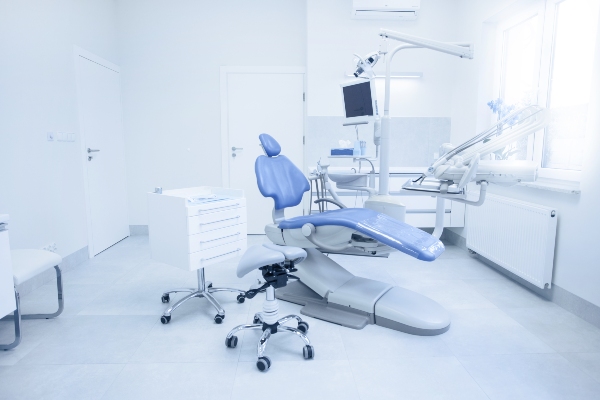 Oral sedation is one of many options available to a dentist. Oral sedation has opened a whole new world of possibilities for dentistry and dental procedures. However, many people have questions about how exactly oral sedation works because of how new it is.
Is sedation dentistry safe for me?
Sedation dentistry is a perfectly safe form of dentistry. Oral sedation is ideal for people who get very stressed or anxious at the dentists’ office and want to relax and enjoy their visit.
What kinds of oral sedation are there?
A dentist uses several different kinds of oral sedation, and here are the most common.
- Nitrous oxide sedation – Nitrous oxide is an odorless gas that gets inhaled through a mask. After inhaling nitrous oxide, you will feel a deep calm come over you, and it’s used to reduce stress and anxiety. This is a mild form of sedation and isn’t used for numbing purposes but rather to calm the nerves.
- IV therapy sedation – This form of sedation is stronger and puts the patient to sleep after a few seconds of the IV injection. IV sedation is commonly used for lengthy or painful procedures where a simple numbing effect isn’t enough to protect the patient. While this type of sedation puts the patient to sleep, it isn’t as invasive as general anesthesia.
- General anesthesia – General anesthesia is used often, but only for the most serious and lengthy oral surgeries and procedures. Because general anesthesia puts the patient into a deep sleep, you will need to return for follow-up exams and undergo a more strenuous preparation for its use.
- Conscious sedation administered orally – This type of sedation is like nitrous oxide; only it comes in a pill or tablet. These pills have a similar effect of relaxing the patient and putting their fears at ease.
Is oral sedation the same as anesthesia?
General anesthesia is a form of oral sedation but is only used during lengthy and painful operations.
Will I feel any pain with oral sedation?
While oral sedation doesn’t provide pain relief per se, it does relieve your stress and anxiety. Forms of oral sedation such as general anesthesia and IV sedation will put you to sleep so that you don’t feel anything at all.
Can I drive after having oral sedation?
It would be best if you didn’t drive after receiving any form of oral sedation. The effects take some time to wear off, and your ability to drive will be compromised.
How long does it take for the sedation effects to wear off?
Oral sedation is used as sparingly as possible to minimize the after-effects but is still effective during the operation. It also depends on the amount of sedation that is required for the procedure.
Do I need oral sedation for my next appointment?
Oral sedation is beneficial to anyone and everyone who needs it. If you suffer from anxiety, stress, or have a strong gag reflex, oral sedation is beneficial. Ask your dentist on your next visit for more information on this topic.
Request an appointment or call Posh Dental at 951-740-0026 for an appointment in our Temecula office.
Related Posts
Dentists know that having bad breath can be embarrassing. This is a common issue for many people who have dental problems. There are some simple steps that we can take to prevent bad breath, even if it's caused by poor oral hygiene or gum disease. In this article, we'll go over these six tips and…
As demand for a bright white smile grows, teeth whitening options increase in popularity and variety. Picking the appropriate solution requires a consultation with a dental professional who can ensure you get the desired results for your individual needs.Most dentists develop patient tooth-whitening plans based on the patient’s existing stains. The type of stain determines…
Dentistry is dedicated to helping patients stay healthy and keep their smiles beautiful. One way dentists do so is with regular dental exams.During dental exams, dentists take X-rays to ensure everything is fine inside their patients' teeth. They also do a visual exam where they look into patients' mouths.Finally, dentists clean teeth by scraping off…